Choosing Wood Panels for Export Furniture: Cost, Compliance, and Durability
Best Wood Panels for Export Furniture: Selection & Export Guide 1. Introduction to Export Furniture Wood Panels Export furniture relies heavily on wood panels, which form the backbone of both structural integrity and aesthetic appeal. For exporters, understanding the best wood panels for export furniture is crucial to meet international quality standards, navigate regulatory compliance, and satisfy diverse market demands. Whether targeting European eco-conscious buyers, North American durability-focused consumers, or Asian cost-sensitive markets, choosing the right panels can make or break your product’s success. This guide explores key factors, panel types, compliance requirements, and practical tips to help you make informed decisions for your furniture export business. 2. Key Factors for Choosing Wood Panels for Export Furniture Selecting wood panels for export requires balancing performance, cost, and regulatory needs. Below are the critical considerations: 2.1 Cost and Budget Constraints Export furniture often operates on tight margins, so panel cost directly impacts profitability. Particleboard is typically the most affordable option, followed by MDF, while solid wood and high-grade plywood carry higher price tags. However, cheaper panels may lead to higher defect rates or reduced customer satisfaction, which can harm long-term brand reputation. Exporters must weigh upfront material costs against potential rejections, returns, or lost market access due to poor quality. 2.2 Compliance with International Standards Different regions enforce strict regulations for furniture materials, particularly regarding emissions and safety. For example: - EU: Requires compliance with EN 13986 (wood-based panels) and E1 or E0 emission standards (≤0.124 ppm formaldehyde). - US: Mandates CARB Phase 2 certification for composite panels, limiting formaldehyde emissions to similar levels. - Japan: Follows JIS standards, with F★★★★ being the highest emission rating. Non-compliant panels can result in shipments being seized or destroyed, making certification a non-negotiable factor. 2.3 Durability and Moisture Resistance Export furniture endures long shipping times, varying climates, and handling conditions. Panels must resist warping, swelling, or delamination. Plywood, with its cross-laminated construction, excels in moisture resistance, while moisture-resistant MDF or particleboard (treated with resins) can suit humid environments. For outdoor or high-moisture applications, marine-grade plywood or WBP (weather and boil proof) panels are ideal. 2.4 Aesthetic and Finish Requirements Consumer preferences vary by market. High-end markets often favor veneered panels (wood veneer on MDF or plywood) for a premium look, while budget segments may use melamine-faced particleboard for its durability and easy maintenance. The panel’s core material must support the desired finish—for example, MDF’s smooth surface is perfect for painting or laminating, while plywood’s visible grain may be left exposed for rustic designs. 3. Common Types of Wood Panels Used in Export Furniture Each panel type has unique properties suited to specific furniture applications and export needs: 3.1 Medium-Density Fiberboard (MDF) MDF is engineered from wood fibers bonded with resin, offering a smooth, uniform surface ideal for painting, veneering, or laminating. It is more affordable than solid wood and less prone to warping. However, MDF is heavier and less moisture-resistant than plywood, making it best for indoor furniture like cabinets, tables, or bed frames in controlled climates. Export-grade MDF must meet E0/E1 emission standards to pass international inspections. 3.2 Particleboard (Chipboard) Made from wood chips and resin, particleboard is the most cost-effective panel option. It is lightweight and stable when laminated, making it popular for flat-pack furniture, shelving, and budget-friendly pieces. Its main drawbacks are low moisture resistance and susceptibility to chipping, so it is unsuitable for load-bearing or humid applications. Melamine-faced particleboard (MFP) is a common export choice for its scratch-resistant finish and low maintenance. 3.3 Plywood Plywood consists of thin wood veneers glued together with alternating grain directions, offering exceptional strength, durability, and moisture resistance. It is versatile, available in softwood (pine, fir) for structural use or hardwood (birch, oak) for aesthetic applications. Plywood is ideal for export furniture that requires durability—such as outdoor pieces, kitchen cabinets, or heavy-load items. Marine-grade or WBP plywood is preferred for long shipments or high-humidity markets. 3.4 Oriented Strand Board (OSB) OSB uses large wood strands arranged in oriented layers, making it strong and cost-effective. While less common for finished furniture (due to its rough texture), it is sometimes used for structural components or budget items in markets where aesthetics are secondary. Like particleboard, OSB requires lamination or veneering for consumer-facing applications. 3.5 Solid Wood Panels Solid wood (e.g., oak, pine, beech) offers premium aesthetics and durability but comes at a higher cost. It is used for high-end export furniture, particularly in markets valuing natural materials. However, solid wood is prone to expansion and contraction with humidity changes, requiring proper kiln drying and finishing to avoid warping during transit. 4. Comparative Analysis: MDF vs. Particleboard vs. Plywood for Export To simplify decision-making, here’s how the top three panels compare for export furniture: | Factor | MDF | Particleboard | Plywood | |----------------------|------------------------------|------------------------------|------------------------------| | Cost | Moderate | Lowest | Higher | | Strength | Good (but lower than plywood)| Low | Excellent | | Moisture Resistance | Poor (unless treated) | Poor | Excellent (especially WBP) | | Surface Finish | Smooth, ideal for painting/laminating | Prone to chipping; best with melamine veneer | Natural grain; takes veneer well | | Weight | Heavy | Light | Moderate to heavy | | Best Applications | Indoor cabinets, tables | Flat-pack, budget furniture | Structural, outdoor, high-durability pieces | | Compliance Focus | Low formaldehyde (E0/E1) | Low formaldehyde (CARB, E1) | WBP glue, low emissions | 5. Tips for Exporting Furniture with Wood Panels - Source Certified Suppliers: Partner with manufacturers that provide test reports for emission standards (CARB, E0, JIS) and durability. - Protect Panels During Transit: Use moisture barriers, edge banding, and proper packaging to prevent swelling or damage. - Match Panels to Target Markets: For example, use moisture-resistant panels for tropical markets (Southeast Asia) and low-emission panels for EU/US. - Consider End-of-Life Regulations: Some markets (e.g., EU) require furniture to be recyclable, favoring panels with minimal harmful additives. 6. Conclusion The best wood panels for export furniture depend on your target market, budget, and product requirements. MDF and particleboard offer cost-effective solutions for indoor, budget-friendly items, while plywood excels in durability and moisture resistance for long-haul shipments and high-demand applications. Regardless of the panel type, ensuring compliance with international standards and prioritizing quality control will help your furniture succeed in global markets. By aligning panel selection with
2026/11/05
Reading volume: 0
News Details
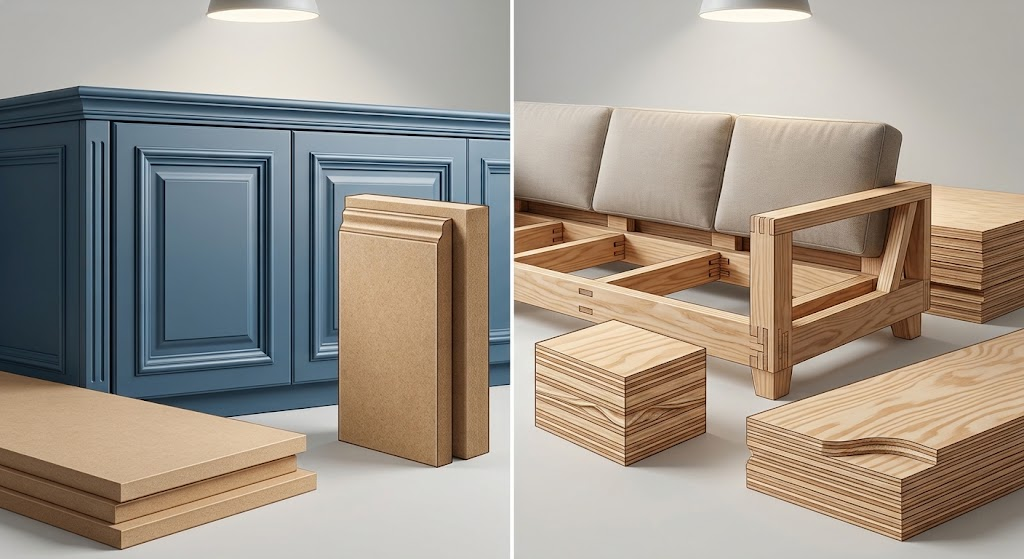
Producing furniture for international markets requires careful planning. If you want your products to sell well overseas, you must choose the right materials. Selecting the right wood panels for export furniture directly impacts your production budget, product durability, and foreign trade clearance.
Selecting improper materials can lead to warped tables, high shipping costs, or rejected customs shipments. This guide breaks down cost, compliance, and durability to help you choose the best boards for your business.
1. Understanding Export Compliance Standards
Before looking at costs or aesthetics, focus on compliance. Foreign customs agencies enforce strict rules regarding wood composition, chemical emissions, and environmental impact. If your products fail inspection, your entire shipment could face destruction or expensive return shipping.
Key Regulations to Follow
-
Formaldehyde Emission Limits: Markets such as the United States, Europe,and Japan demand low chemical emissions.Ensure your materials meet standards like US EPA TSCA Title VI, CARB Phase 2, or European E1/E0 ratings.Using certifiedcompliant furniture materials protects your business from heavy fines.
-
Deforestation Regulations:Regions such as the European Union enforce strict rules (like EUDR) to ensure timber comes from legal, sustainable sources.Buyers require clear supply chain records proving your wood is eco-friendly.
-
Phytosanitary Standards:Solid wood packaging and components often require chemical or heat treatments under ISPM 15 rules.Engineered wood boards naturally bypass many of these pest treatment steps, saving both time and shipping costs.
2. Choosing the Right Boards: Cost vs. Performance
Every panel type serves a distinct purpose.Balancing raw material costs with performance ensures high quality without overspending.
Medium Density Fiberboard (MDF)
MDF is made from fine wood fibers combined with resin under heat and pressure.
-
Best Uses: Cabinet doors, decorative panels, routed drawer fronts, and painted furniture.
-
Advantages:Its ultra-smooth surface accepts paint, veneers, and laminates cleanly without showing wood grain. It cuts easily on CNC machines without chipping.
-
Considerations: Standard MDF is heavier than other options, which increases shipping costs. Choosing lightweight MDF for export furniture helps keep shipping costs under control while maintaining structural strength.
Particle Board (Chipboard)
Particle board is made by pressing small wood chips and shavings together with adhesive.
-
Best Uses: Flat-pack furniture, internal shelving, office desks, and ready-to-assemble wardrobes.
-
Advantages: It is one of the most cost-effective engineered options available. When coated with melamine, particle board furniture panels resist everyday scratches while remaining lightweight for flat-pack shipping.
-
Considerations:Standard particle board absorbs moisture easily, making it unsuitable for humid environments unless treated with moisture-resistant resins.
Plywood
Plywood consists of thin layers of wood veneer glued together in alternating grain directions.
-
Best Uses:Load-bearing frames, sofa structures, outdoor items, and high-end cabinetry.
-
Advantages:Plywood furniture panels provide exceptional strength-to-weight ratios. They resist warping, hold screws firmly, and tolerate moisture far better than particle board or standard MDF.
-
Considerations: High-grade structural plywood comes at a higher price point. However, its durability minimizes damage claims and return rates during international transport.
3. Comparing Panel Types
Use this quick overview to assess which option best meets your manufacturing needs:
| Panel Type | Relative Cost | Strength & Durability | Best Finishing Options |
| MDF | Medium | Moderate to High | Paint, Lacquer, Veneer, Laminate |
| Particle Board | Low | Low to Moderate | Melamine Foil, Paper Laminate |
| Plywood | High | High | Natural Veneer, Clear Coat, Stain |
4. Key Factors to Ensure Panel Durability
Long-distance shipping exposes furniture to varying humidity, vibration, and temperature fluctuations. To keep your items in optimal condition:
-
Specify Moisture Resistance:Request moisture-resistant grades (such as MR or exterior-grade glue) for furniture destined for humid regions.
-
Check Screw-Holding Power:Dense cores prevent hardware from loosening during assembly or transit.
-
Seal Edges Properly:Unsealed edges act like sponges. High-quality PVC, ABS, or wood edge banding protects the inner core against moisture swelling.
Source Certified Export Panels with Woodepot
Choosing the right engineered wood boards requires balancing budget constraints,structural needs,and global market compliance.Partnering with a reliable supply chain provider simplifies sourcing certified materials.
Woodepot directly connects furniture manufacturers with leading panel producers.Whether you need certified plywood,melamine-faced particle board,or specialized MDF,Woodepot helps streamline sourcing so your products arrive on time, within budget, and fully compliant. Contact the Woodepot team today to request customized quotes for your next export project!
Share to:


Wood Panel Container Loading & Shipping Cost Guide: How Thickness, Size, and Packaging Impact Logistics Fees
Decorative Laminate Panels in Renovation Projects: Why Speed and Consistency Matter


